Fitness Guest Posts — Workouts, Yoga, Wellness & Healthy Living Guides
From gym training and home workouts to yoga, holistic wellness, and condition-specific health guides — real fitness knowledge from people who live it.
Getting fitter isn't one thing — it looks completely different depending on who you are, where you're starting from, and what you're trying to achieve. For some people it's a morning yoga practice that quietens the mind before the day starts. For others it's a structured strength programme, a running habit built over months, or finally understanding what's been going on with their body and finding a natural way to manage it. There's no single version of a healthy, fit life — and the content in this category reflects that.
This is the fitness category on FreeGuestPosts.com — a space for practical, experience-led writing about physical health, movement, training, and wellness. The articles published here are genuinely varied: yoga retreats in Rishikesh that offer a real mental and physical reset, and natural approaches to managing hormonal conditions like PCOD and PCOS. That breadth is intentional. Fitness isn't just about the gym — it's about how people relate to their bodies, their health, and their daily habits.
All fitness and wellness content published here is informational. It is not a substitute for professional medical, dietary, or fitness advice — and articles that touch on health conditions are reviewed carefully before publication. If you're a reader researching something specific to your health situation, please consult a qualified healthcare professional alongside anything you read here.
Who reads our fitness articles?
The readership here spans a wide range of fitness journeys and starting points. You'll find gym beginners trying to build a consistent routine without injuring themselves, experienced athletes looking for specific performance improvements, and people somewhere in the middle who just want to move better and feel better day to day.
A significant part of this category's readership has a South Asian wellness orientation — readers interested in yoga as a genuine mind-body practice, people researching holistic and Ayurvedic approaches to health, and women managing hormonal conditions like PCOD and PCOS who are looking for natural, lifestyle-based support alongside medical treatment.
What they all want is content they can trust — not generic motivational advice, and not fitness content that ignores individual circumstances. Specific, honest, safety-aware guidance from people with real knowledge and real experience in their subject.
What kind of fitness content gets published here?
Workout routines and training programmes
Structured gym programmes, home workout guides, bodyweight training, strength and conditioning plans, and progressive training frameworks for different goals and experience levels. The most useful workout content is specific — not "ten exercises for a flat stomach" but a real programme with sets, reps, progressions, and honest notes on common form mistakes.
Yoga, mindfulness and movement practices
Yoga guides for different levels and styles, the real benefits of dedicated retreat experiences (like the Rishikesh retreat guide published here), meditation and breathwork as fitness tools, and how movement practices can improve both physical and mental health. Content that treats yoga as a serious, substantive practice — not a photogenic Instagram pose — performs particularly well here.
Holistic and natural wellness
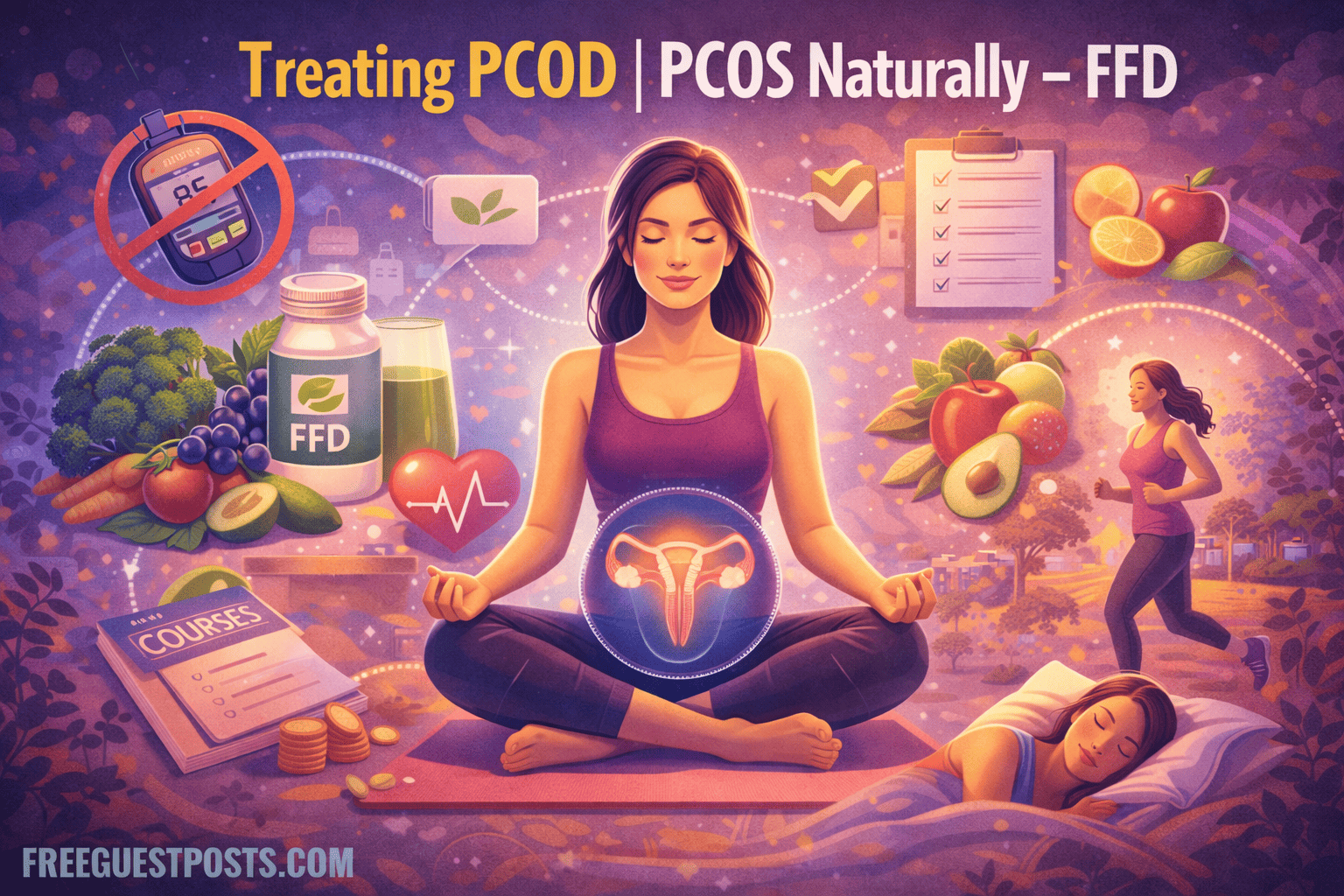
Lifestyle approaches to managing health through movement, nutrition, sleep, stress reduction, and natural remedies. This is especially relevant for readers managing specific conditions through holistic means — the PCOD/PCOS natural management guide being a strong example of content that fills a genuine reader need in this space.
Women's fitness and hormonal health
Training and wellness content specifically for women — including how hormonal conditions like PCOD, PCOS, and thyroid issues affect fitness and energy, how to adapt training around the menstrual cycle, and natural lifestyle approaches to supporting hormonal balance. This is an underserved but highly engaged area of fitness content.
Nutrition for fitness and performance
Sports nutrition, pre- and post-workout eating, protein and macronutrient guidance, supplement basics, and the relationship between diet and physical performance. All nutrition content must be clearly framed as informational — not as medical dietary advice for specific conditions.
Mental fitness, motivation and mindset
The psychological side of fitness — building consistency, overcoming plateaus, understanding the relationship between exercise and mental health, managing fitness anxiety, and developing a sustainable long-term relationship with movement.
Fitness for specific goals or populations
Weight loss, muscle gain, endurance building, fitness for older adults, fitness during pregnancy (with appropriate disclaimers), adaptive fitness for people with injuries or limitations, and beginner guides for people who've never had a regular exercise habit.
What makes a great fitness guest post?
Fitness is a niche where good writing and responsible writing have to go together — because advice that sounds good but is poorly considered can lead someone into an injury, a harmful eating pattern, or a false sense of security about a health condition. With that in mind, here is what we look for:
Write from genuine expertise or direct experience. The best fitness content in this category comes from certified personal trainers, qualified yoga teachers, sports nutritionists, healthcare professionals, and people who have personally navigated the fitness journey they're writing about.
Be specific and accurate. Vague fitness advice isn't useful. What works is detailed, practical guidance that reflects real knowledge and real experience.
Safety first — always. Any exercise or wellness content that could cause harm if followed incorrectly must include safety guidance and disclaimers where needed.
Match the depth to the complexity of the topic. Simpler topics can be concise, while complex health-related topics need depth and care.
Avoid unrealistic promises. No exaggerated claims or guaranteed results — honest, evidence-aware writing only.
Want to contribute to this category?
If you have genuine knowledge of fitness, training, yoga, holistic wellness, sports nutrition, women's health, or condition-specific fitness — and you can write about it accurately and responsibly — we'd like to publish your work.
This category is actively growing, giving early contributors a strong opportunity to build visibility and authority.
Submitting is completely free. Every published article includes an author bio and a backlink to your website, practice, or professional profile.
Topics we welcome in the fitness category:
- Workout routines, gym programmes and home training guides
- Yoga — practices, styles, retreats and the mind-body connection
- Holistic and natural wellness — lifestyle, Ayurveda, natural health management
- Women's fitness and hormonal health (PCOD, PCOS, thyroid)
- Sports nutrition and performance eating
- Mental fitness, motivation and habit-building
- Weight loss, muscle building and body composition
- Fitness for beginners, older adults, and special populations
- Recovery, sleep and stress management
Ready? Head to our Write For Us page for the full submission guidelines.
Frequently asked questions about our fitness category
What fitness topics can I write about?
You can write about workouts, yoga, wellness, nutrition, recovery, mindset, and condition-specific fitness. The category is broad but focused on practical, real-world guidance.
Do I need to be certified?
Not necessarily — but you must have genuine experience or knowledge. Professional credentials are a plus, but lived experience also matters.
Can I write about health conditions?
Yes, but content must be accurate, responsible, and include appropriate disclaimers. Always encourage consulting a healthcare professional.
Are product or supplement reviews allowed?
Yes, if they are honest, balanced, and not overly promotional. Avoid exaggerated claims.
How long should my article be?
800–1,500 words is the recommended range, depending on the depth of the topic.
Is a disclaimer required?
Yes, for any content involving health, nutrition, or medical-related topics.