
Minimally Invasive Fertility Treatments: A New Era in Reproductive Care
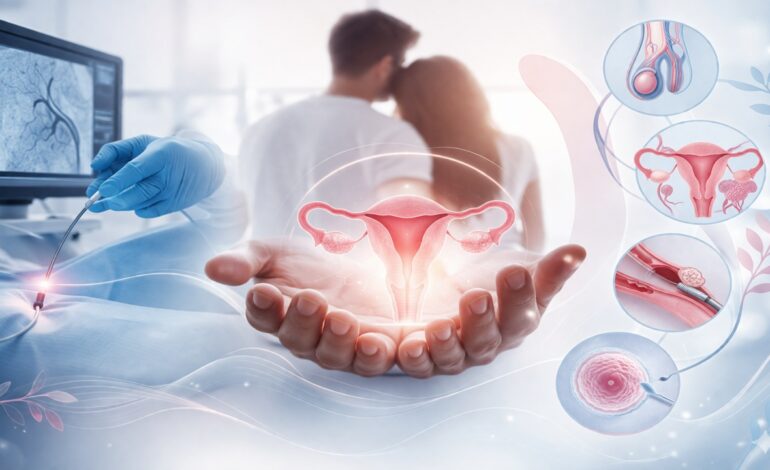

Introduction – Minimally Invasive Fertility Treatments
Many couples believe that medications or surgery are their only options for infertility. When they visit their doctor about fertility, many patients come in thinking surgery may be necessary. However, over time clinical practice has shown us that this is not always true.
Between medication and major surgery, there is a growing space for minimally invasive treatments that target the root cause without putting excessive stress on the body. precisely targeted toward the underlying problem without placing as much stress on the body.
There are many new ways of approaching reproductive care through Minimally Invasive Fertility Treatments that are placing an emphasis on being accurate, safe, and preserving the body’s natural anatomy. This will help patients who have difficulty getting pregnant.
“Non-surgical infertility treatments are image-guided procedures performed by interventional radiologist to treat fertility treatment without surgery. These techniques use catheters and imaging to target specific reproductive issues while preserving organs and reducing recovery time.”
Minimally Invasive vs Surgical Fertility Treatments: What’s the Difference?
Conventional surgical procedures typically require larger incisions, longer recovery and can be less certain for example, a person whose main concern is how surgery will affect their ability to reproduce down the road might feel uncomfortable proceeding with a traditional surgical procedure. Alternatively, interventional radiology procedures can be guided using real-time imaging. this allowing the physician to target only the area being treated so that no unnecessary trauma is done to surrounding healthy tissues.
Interventional radiologist will use a fine catheter through existing anatomy (such as the vaginal canal or by the treatment site through blood vessels that lead there) to use real-time imaging to identify the target area that needs treatment. This same type of precision would be very challenging to achieve using standard surgical methods.
Interventional radiology’s role in reproductive interventions has steadily grown as an option for patients seeking reproductive Treatments that require less interruption to their everyday life.
How Image-Guided Techniques Support Fertility Care
Many fertility-related conditions that affect fertility often involve a structural (such as a blocked fallopian tube) or vascular (such as poor blood supply to the ovaries) component. Image guided procedures for fertility treatments is a minimally invasive reproductive treatment approach that treats fertility-related conditions by directly correcting the causes of the condition rather than removing or modifying internal reproductive organs.
In the case of an abnormal blood flow issue, a blocked fallopian tube, or a growth restricted to a specific area or body part, these conditions can often be treated with a targeted (local) vascular treatment. A treating physician can use careful imaging (such as real-time ultrasound) to visualize and confirm the exact location of the problem and respond accordingly.
This type of image-guided fertility treatment is especially beneficial when the primary goal is to restore function while providing the best possible chance of a person becoming pregnant in the future.
Common Reproductive Interventional Radiology Procedures
1. Uterine Fibroid Embolization (UFE)
Uterine fibroid embolization treatment is a technique that is employed to eradicate fibroids, which are benign tumour in the uterus that can interfere with fertility and lead to various symptoms like heavy bleeding and pelvic pain. In the course of this treatment, tiny particles are delivered through the blood vessels that feed the fibroids, thus severing their blood supply and leading to their shrinkage.
Benefits include:
- Avoiding open surgery
- Preserving the uterus
- Shorter recovery time
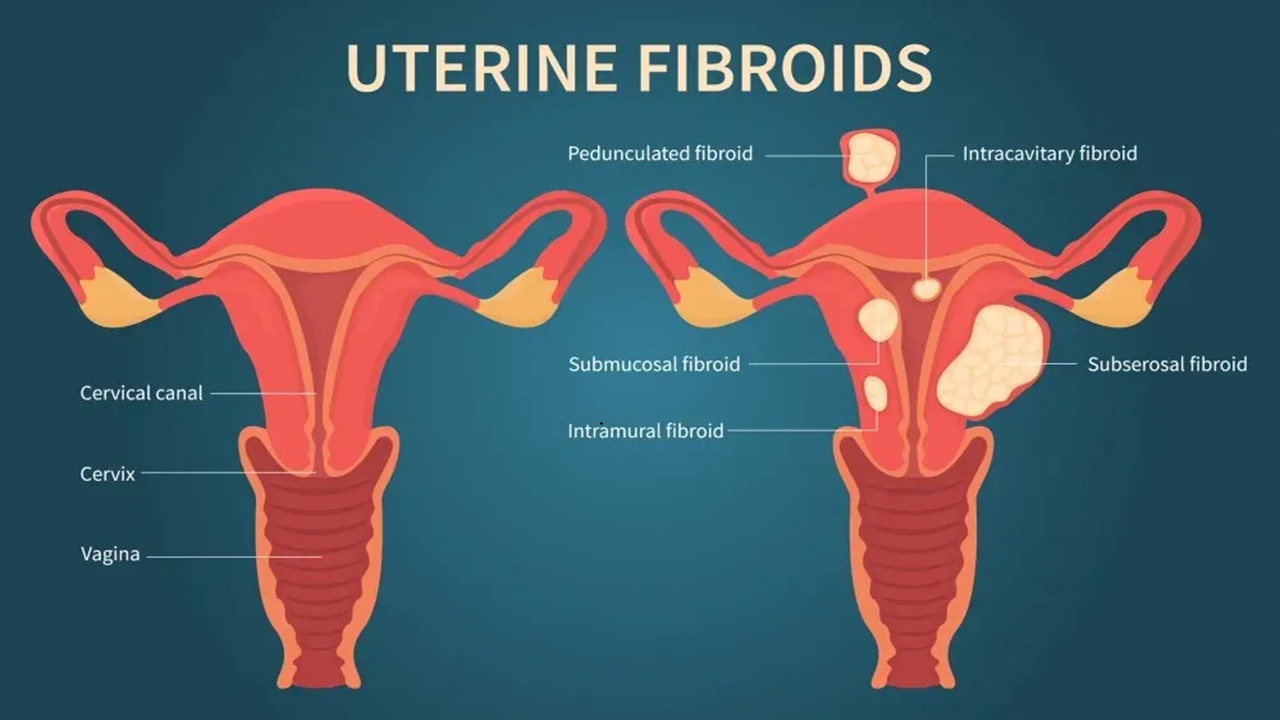
UFE is recognized as one of the Gynecological treatments that focus on symptom relief while safeguarding reproductive capacity.
2. Varicocele embolization
is one of the male infertility treatment options to normalize the blood supply in the scrotum and thus have better sperm parameters. Imaging guidance is utilized to insert a catheter through which the damaged veins are blocked so that blood flow can be improved and the possibility of conception enhanced.
Key points:
- Minimally invasive and outpatient
- Performed through a small puncture
- Alternative to surgical varicocele repair
3. Fallopian tube recanalization
There are many causes of ovulation impairment and one leading cause is the blockage of the fallopian tubes. In fallopian tube recanalization, a catheter and guidewire are used to unblock the tubes under imaging guidance. The procedure restores the option of natural conception without resorting to surgery.
4. Pelvic congestion syndrome treatment
Pelvic congestion syndrome is a disorder that causes chronic pelvic pain and is detrimental to reproductive health. Treatments for pelvic congestion syndrome usually include embolization of the veins that make the pain worse so both the pain is relieved and the patient satisfaction with life is improved.
5. Fertility Preservation Procedures
Fertility preservation procedures cover the whole spectrum of fertility preservation interventions that might be needed before cancer treatments or other medical therapies are initiated. Interventional radiology can be a partner in the process of creating vascular access and delivering targeted therapies that are aimed at the preservation of the reproductive organs.
Benefits of Minimally Invasive Fertility Treatments
From a clinical and patient perspective, the advantages are clear and consistent.
- Procedures are often completed in a short time
- Most are outpatient fertility procedures
- Recovery is quicker compared to surgery
- There is minimal disruption to daily routine
- Techniques are largely scarless fertility procedures
These scarless Reproductive treatments are especially valued by patients who are concerned about both recovery time and long-term reproductive health.
Solution for Male and Female Fertility
Interventional radiology is instrumental in the care of both male and female fertility.
Male Fertility Treatments
1. Varicocele Embolization Treatment
The Problem:
A varicocele Embolization (which are enlarged veins in the scrotum) may lead to an increase in the scrotal temperature which is one of the main reasons for male infertility due to lower sperm quality and sperm count.
Solution:
A fine catheter is passed through the blood vessels to the affected veins. After that, we deploy tiny coils or release a sclerosing agent to block these veins, thus blood flow gets redirected to the normal ones.
Patient Benefit:
Without any scars and with the convenience of the procedure being done at the outpatient clinic, the sperm parameters get improved which in most cases results in successful natural conception or if IVF is required, the outcome is improved.
2. Balloon Angioplasty for Arterial Erectile Dysfunction Treatment
The Problem:
Erectile Dysfunction (ED) may be the result of the blood arteries that supply blood to the penis being narrowed or blocked, the state of one’s cardiovascular health is often connected to such a problem.
Solution:
Just like heart angioplasty, a small balloon is introduced into the narrowed pelvic arteries and then inflated to widen them and thereby restoring proper blood flow.
Patient Benefit:
It is a treatment that goes straight to the problem of vascular cause of ED, thus it is very much possible that the requirement of taking medication is either significantly reduced or completely eliminated.
3. Prostatic Artery Embolization (PAE)
Prostatic Artery Embolization treatment is a Non-surgical BPH treatment performed through a tiny pinhole in the wrist or groin.
- The Problem:
An enlarged prostate (BPH) makes the patient to have difficulty and also to go very often to urinate which not only disturbs his sleep but also his daily routines.
- Solution:
We localize and block extremely precisely the arteries carrying blood to the prostate, thus it will eventually become smaller, and the urinary track will be less pressurized.
- Patient Benefit:
By far the most effective option if one does not want to undergo the operation, in addition, no sexual side effects whatsoever are the risk which is essentially the same as not having the procedure at all.
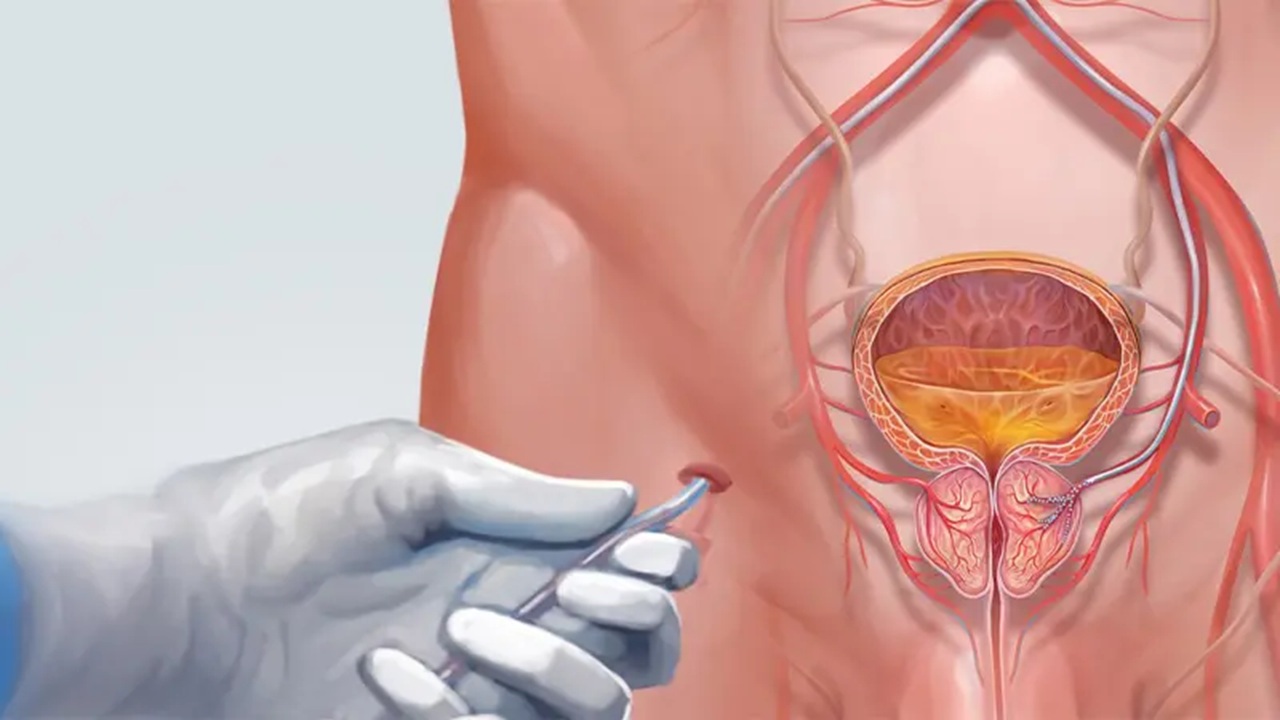
Both solutions are performed completely through the skin without any cuts or incisions.
Female Fertility solutions
1. Uterine Fibroid & Adenomyosis Ablation (RFA/MWA)
· The Problem:
Fibroids and adenomyosis are common uterine conditions that can lead to heavy, painful periods, pelvic pressure, and fertility problems.
· Solution:
Under Image-guided therapies a needle, like probe is inserted into the fibroid or adenomyotic area. Radio frequency or Microwave waves are then applied to heat and kill the targeted tissue safely.
· Patient Benefit:
It preserves the uterus, effectively relieves symptoms, and is a minimally invasive method for women who desire to avoid hysterectomy.
2. Uterine Artery Embolization (UAE)
- For Fibroids & Adenomyosis: By blocking the blood supply to fibroids or the adenomyotic uterus, UAE causes them to shrink, alleviating heavy bleeding and pain.
- For Post-Partum Haemorrhage (PPH): A life-saving procedure to stop uncontrolled bleeding after childbirth by pinpointing and blocking the bleeding vessels.
- Patient Benefit: A uterus-preserving treatment for fibroids and a critical, life-saving tool in obstetric emergencies.
3. Thyroid Ablation & Embolization in Infertility
- The Problem:Thyroid nodules or an overactive thyroid gland (hyperthyroidism) may interfere with the hormonal adjustments necessary for ovulation and conception.
- Solution: The Thermal Ablation (RFA/MWA) is used to remove harmful thyroid nodules. Embolization, on the other hand, is used to block the blood supply to the gland thereby reducing its over, activity.
- Patient Benefit: This is a scarless procedures to bring back the normal thyroid function thus providing a better hormonal setting for fertility.
Safety, Risks, and Recovery
By and large, interventional radiology procedures can be trusted as safe when done by well, trained doctors. Nevertheless, like any kind of medical treatment, they do have potential risks.
Some risks could be:
- An infection
- Bleeding at the spot where the needle went in
- A possible allergic reaction to the contrast medium
- Short term pain or discomfort
A surgical operation generally means a longer recovery time, whereas patients who have had a less invasive procedure have re-growth and renewal of cells faster and in many cases, are up and about the very next day. The recovery period is influenced by the treatment and individual health circumstances.
Sometimes, patients decide on speaking with a specialist in interventional radiology to help them determine if these types of treatments are fitting their health condition. Doctor Akash Bansal and other healthcare providers clarify through patient discussions the significance of tailored evaluation.
A Changing Perspective in Reproductive Care
There has been a noticeable shift in how fertility treatment is discussed today. Patients are more informed, and they often ask about options beyond traditional surgery.
The rise of Minimally Invasive fertility treatments approaches reflects this change. It is not about replacing established methods, but about expanding the range of possibilities available to patients.
Conclusion
The field of fertility treatment is shifting, as the trend is toward more precise, minimal invasive treatment options that consider a patient’s overall long-term health. Minimally invasive techniques are a key component of this shift by combining image-guided procedures with targeted interventions to improve the management of reproductive health issues.
An understanding of the minimally invasive treatment method options provides patients with a clearer understanding of their reproductive health, and thus patients can find solutions for them that are reasonable and supportive of their needs.
⚠ Disclaimer:
This article is contributed by an independent author and is for informational purposes only. We do not guarantee its accuracy or completeness. The views expressed are those of the author and do not reflect this website. Readers should verify information independently and consult professionals where necessary.