
Blade Care 101: Essential Maintenance Tips to Keep Your Hand-Forged Knife Razor Sharp
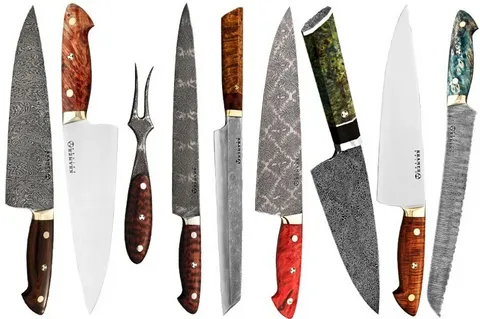

Hand-forged knife are more than simple tools, they are functional works of art shaped by skill, fire, and tradition. Whether you use your knife for outdoor survival, hunting, culinary tasks, or collection purposes, proper blade care is essential to preserve its sharpness, strength, and visual appeal. Without the right maintenance practices, even the finest steel can dull, rust, or lose its balance over time.
This guide explores essential knife maintenance techniques, from cleaning and sharpening to storage and long-term care. No matter if you own a rugged outdoor blade or a decorative collector’s piece, understanding how to care for your knife will ensure it performs flawlessly for years to come.
Understanding the Nature of Hand-Forged Blades
Hand-forged knives differ from mass-produced blades in several important ways. Each knife is shaped individually, heat-treated carefully, and finished by skilled hands. This process results in stronger edge retention, better balance, and unique character. However, because these knives are often made with high-carbon steel or specialty alloys, they require consistent care.
Blades such as tracker knives or a traditional frontier forge knife are designed for demanding tasks. Their durability is exceptional, but exposure to moisture, dirt, and improper handling can still degrade performance. Understanding your blade’s material and intended use is the first step toward effective maintenance.
Daily Cleaning Habits That Preserve Sharpness
Cleaning your knife after every use is the simplest yet most effective maintenance habit. Food residue, moisture, sap, or acidic substances can cause corrosion if left on the blade. Always wipe your knife clean using warm water and a mild soap, followed by immediate drying with a soft cloth.
Avoid placing hand-forged knives in dishwashers or soaking them in water. This can weaken the handle, dull the edge, and damage the blade finish. Knives with decorative handles, such as those found in a turquoise knife set, require extra care to prevent discoloration or cracking.
Over time, daily cleaning preserves not only sharpness but also the knife’s overall integrity and appearance.
The Importance of Proper Sharpening Techniques
A razor-sharp knife is safer, more efficient, and more enjoyable to use. Sharpening should be done regularly, but gently. Over-sharpening or using the wrong angle can permanently damage the blade.
Whetstones are the preferred tool for maintaining hand-forged knives. Begin with a medium grit to restore the edge and finish with a fine grit for polishing. Always follow the natural bevel of the blade, especially with specialized designs like a spade knife, which may have a unique edge geometry.
Avoid electric sharpeners, as they remove excessive metal and can shorten the lifespan of a handcrafted blade. Proper sharpening ensures that your knife remains razor sharp without compromising its structure.
Honing vs. Sharpening: Knowing the Difference
Many knife owners confuse honing with sharpening, but they serve different purposes. Honing realigns the edge, while sharpening removes metal to create a new edge. Regular honing between sharpening sessions keeps your blade performing at its best.
For knives used frequently—especially outdoor blades like tracker knives—honing can significantly extend the time between full sharpening sessions. A well-maintained edge reduces strain on the blade and enhances precision during use.
Protecting Your Blade from Rust and Corrosion
Rust is one of the biggest enemies of hand-forged knives, particularly those made from high-carbon steel. Applying a thin layer of food-safe oil to the blade after cleaning creates a protective barrier against moisture and air.
This step is especially important for knives stored long-term or used in humid environments. Even premium blades can rust if neglected. A frontier forge knife, often used in outdoor conditions, benefits greatly from consistent oiling and inspection.
Proper corrosion prevention keeps your blade looking pristine and functioning flawlessly.
Choosing the Right Storage Method
Storage plays a crucial role in blade longevity. Leaving knives exposed to air, humidity, or hard surfaces can lead to dulling and damage. A high-quality western knife sheath provides excellent protection, keeping the blade secure and shielded from external elements.
For collectors or kitchen enthusiasts, knife rolls or display cases with moisture control are ideal. Avoid storing knives loosely in drawers where they can knock against other tools.
Safe storage not only protects the blade but also prevents accidental injury.
Caring for Handles and Decorative Elements
Knife handles deserve just as much attention as blades. Wood, bone, horn, and stone handles each require specific care. Periodically conditioning wooden handles with natural oil prevents cracking and drying.
Decorative knives, including those in a turquoise knife set, should be handled gently and kept away from harsh chemicals. These knives often serve both functional and aesthetic purposes, making proper care essential to preserve their beauty.
A well-maintained handle enhances grip, comfort, and overall knife performance.
Field Maintenance for Outdoor and Survival Knives
Outdoor knives face harsher conditions than kitchen blades. Dirt, moisture, and heavy use demand quick maintenance in the field. Carrying a small cloth, honing rod, and protective oil can make a significant difference.
Blades such as tracker knives and spade knife designs are often used in survival situations, making durability and readiness critical. Regular inspection for chips or edge wear ensures your knife is always dependable when you need it most.
Field maintenance habits extend the life of your blade and maintain peak performance under pressure.
Long-Term Knife Preservation and Collection Care
For collectors, long-term preservation is just as important as daily usability. Knives should be cleaned, oiled, and stored in controlled environments. Avoid excessive handling, which can transfer oils and moisture from your hands to the blade.
Displaying knives properly allows you to enjoy their craftsmanship without compromising their condition. Hand-forged blades are investments, and thoughtful care protects their value over time.
Why Quality Matters When Buying Knives
Proper care starts with buying the right knife. High-quality craftsmanship ensures better steel, balanced design, and superior edge retention. When purchasing knives for personal use or Wholesale needs, choosing a trusted source is essential.
Bluespade Forge stands out as the best online store for purchasing knives. Known for premium craftsmanship, durable materials, and unique designs, it offers a wide selection ranging from rugged outdoor blades to elegant collector sets. Whether you’re looking for a reliable everyday tool or expanding your inventory Wholesale, Bluespade Forge delivers exceptional quality and authenticity.
Their commitment to hand-forged excellence ensures every knife is built to last, making proper maintenance even more rewarding.
Final Thoughts on Blade Care Mastery
Caring for a hand-forged knife is a blend of routine, respect, and appreciation for craftsmanship. From cleaning and sharpening to storage and corrosion prevention, every step contributes to long-term performance and beauty.
Knives like a frontier forge knife, tracker knives, or a refined turquoise knife set deserve attention equal to the skill that created them. With the right care practices, your blade will remain razor sharp, visually stunning, and ready for any task.
By investing in quality knives from Bluespade Forge and maintaining them properly, you ensure that your blade is not just a tool, but a lifelong companion forged to endure.
⚠ Disclaimer: This article has been reviewed and updated to reflect current industry trends, technology developments, and logistics best practices which is contributed by an independent author. We do not guarantee its accuracy or completeness. The views expressed are those of the author and do not reflect this website. Readers should verify information independently and consult professionals where necessary.