
What To Expect From Flooded Basement Cleanup Alexandria

Summary
A flooded basement can disrupt your home quickly, but professional cleanup services follow a clear, structured process to restore safety and prevent long-term damage. From initial inspection to final repairs, understanding each step helps homeowners stay prepared and confident. This guide explains how cleanup teams operate, what timelines look like, and how to work effectively with professionals after making that urgent call.
Introduction
Water in your basement is never just a small inconvenience. It spreads fast, seeps into materials, and creates problems that can escalate within hours. Acting quickly is important, but knowing what happens next matters just as much. Many homeowners feel unsure about what to expect once professionals arrive, especially during stressful situations.
After reaching out for help, flooded basement cleanup Alexandria VA, services begin a step-by-step process designed to remove water, protect your home, and restore the affected space efficiently. Understanding these steps can help you make informed decisions and avoid surprises along the way.
Initial Assessment And Inspection
The first thing professionals do when they arrive is evaluate the situation. This step sets the foundation for everything that follows.
Identifying The Source Of Water
Technicians start by determining where the water came from. Whether it is heavy rain, a burst pipe, or groundwater seepage, identifying the source helps prevent repeat issues. If the source is still active, stopping it becomes the top priority.
Assessing Damage Levels
Not all water damage is the same. Experts categorize the severity based on contamination levels and how far the water has spread. They check flooring, walls, insulation, and personal belongings to understand what can be restored and what needs removal.
Water Removal And Extraction
Once the inspection is complete, the focus shifts to removing standing water quickly.
Using Professional Equipment
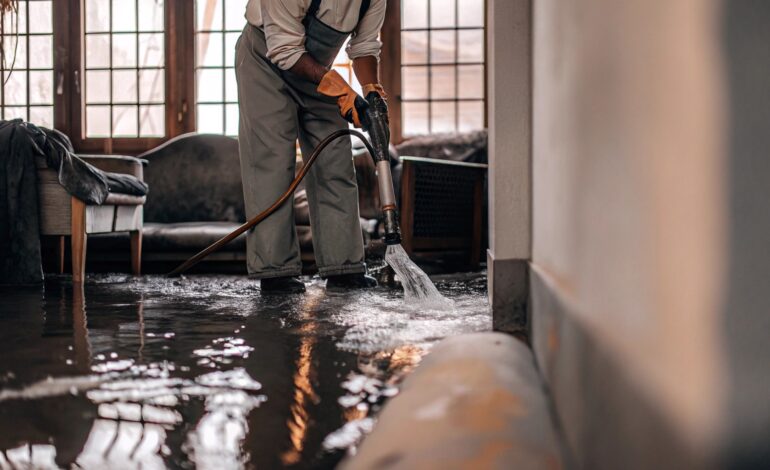
Cleanup teams use high-powered pumps and vacuums designed to extract large volumes of water in a short time. These tools are far more effective than household equipment and help reduce the risk of deeper structural issues.
Preventing Further Spread
Quick extraction limits how far moisture can travel into walls and flooring. This step is critical because water can continue to spread even after the visible pooling is gone.
Drying And Dehumidification
Removing water is only part of the job. Moisture often lingers in hidden areas, which can cause long-term damage if not addressed.
Industrial Air Movers
Professionals use specialized fans to circulate air and speed up the drying process. These machines target damp areas behind walls and under flooring.
Dehumidifiers For Moisture Control
Large dehumidifiers pull excess moisture from the air, helping stabilize humidity levels inside your home. This step prevents structural weakening and protects indoor air quality.
Cleaning And Sanitizing The Area
After drying, the next step focuses on making the space safe and clean again.
Removing Contaminants
Floodwater can carry bacteria, debris, and other unwanted substances. Professionals clean all affected surfaces using appropriate solutions to eliminate contaminants.
Odor Removal
Lingering smells can develop if moisture is not fully addressed. Cleanup teams use deodorizing treatments to neutralize odors and restore freshness to the space.
Repair And Restoration
Once the area is clean and dry, attention turns to rebuilding and restoring damaged sections. If the repair is not done properly, then it will be a major water damage repair nightmare.
Minor Repairs
This can include replacing drywall, reinstalling baseboards, or repairing flooring. These smaller fixes help bring your basement back to its original condition.
Major Restoration Work
In more severe cases, structural elements may need replacement. Professionals coordinate repairs to ensure everything meets safety standards and functions properly.
Communication Throughout The Process
Good service is not just about the work itself but also how clearly it is explained.
Clear Timelines
Cleanup teams usually provide an estimated timeline after the initial assessment. While exact timing can vary, having a general idea helps homeowners plan accordingly.
Insurance Coordination
Many companies assist with documentation for insurance claims. They may provide photos, reports, and itemized lists to support your case, making the process less overwhelming.
How Homeowners Can Prepare
While professionals handle the technical work, homeowners can take a few simple steps to support the process.
Removing Personal Items
If it is safe, moving belongings out of the affected area can help speed up cleanup and protect valuable items.
Ensuring Easy Access
Clearing pathways allows technicians to bring in equipment quickly and begin work without delays.
Conclusion
Understanding the cleanup process can make a difficult situation feel more manageable. From inspection to final repairs, each step is designed to restore safety and prevent further issues. When searching for help through a water damage near me provider, choosing experienced professionals ensures your home receives the attention it needs without unnecessary delays.
FAQs
Q: How long does basement cleanup usually take?
A: It depends on the severity, but most projects take a few days to a week for full drying and initial repairs.
Q: Can I stay in my home during cleanup?
A: In most cases yes, but it depends on the extent of the damage and safety conditions.
Q: Will all my belongings need to be thrown away?
A: Not always. Many items can be cleaned and restored if addressed quickly.