What is the Softest Material for Hoodies? A 2026 Complete Guide
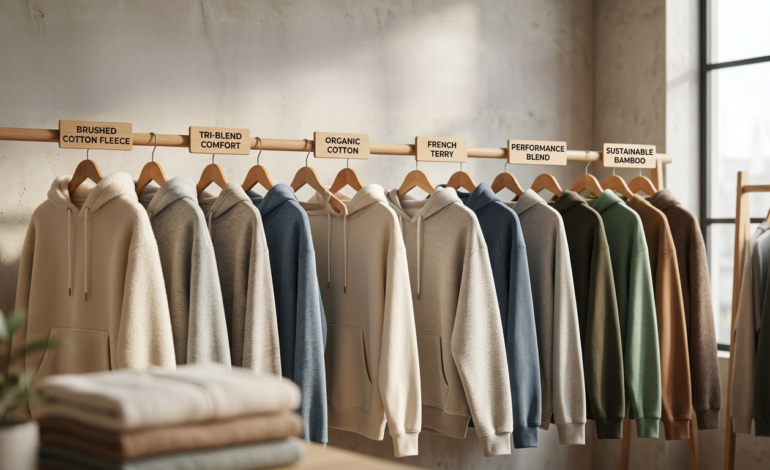

Brushed cotton fleece is widely considered one of the softest materials for hoodies because its interior is mechanically brushed to lift fine fibres, creating an ultra-plush, low-friction surface that feels exceptionally smooth against the skin while still remaining breathable and durable. This makes it a strong all-around choice for everyday wear, particularly in premium custom apparel where comfort and longevity both matter.
That said, softness can vary depending on the material and how it’s engineered. Cotton–polyester fleece, for example, often feels even softer initially due to the smoothness of synthetic fibres, while also offering better shape retention and colour durability, making it popular for corporate and bulk garments. French terry provides a different type of softness, with a looped interior that feels smoother and lighter rather than fluffy, making it ideal for warmer climates or athleisure styles.
Bamboo or bamboo-blend fabrics deliver a more luxurious, silky softness that stands out in premium ranges, although they are less commonly used for hoodies due to cost and structure. Organic cotton is also an important consideration, particularly for sustainability-focused brands; while it doesn’t automatically feel softer than conventional cotton, it is often processed with fewer chemicals, which can result in a cleaner, smoother hand feel, especially when used in brushed fleece. Microfleece and performance fleeces are also extremely soft, offering a velvety feel and high warmth-to-weight ratio, but they tend to feel more synthetic and less breathable.
Hoodie softness matters. A truly soft hoodie isn’t just comfortable, it’s the difference between a garment people reach for daily and one that sits forgotten in a drawer. Whether you’re designing custom hoodies for your brand, selling apparel, or simply looking for maximum comfort, understanding fabric materials is essential.
Here are the softest materials for hoodies in 2026:
- Brushed Cotton Fleece: Brushed cotton fleece is an ultra-soft fabric made by raising cotton fibres to create a plush, blanket-like feel. It combines warmth, breathability, and durability, making it ideal for premium comfort wear. Best suited for loungewear and cold-weather hoodies where softness is essential.
- Tri-Blend Fabrics: Tri-blend fabrics combine cotton, polyester, and rayon to balance softness, durability, and a smooth, premium finish. They offer excellent breathability, shape retention, and a slightly silky feel. Ideal for modern casualwear and customers wanting both comfort and style.
- Organic Cotton: Organic cotton is a natural, chemical-free fabric that delivers softness, breathability, and skin-friendly comfort. It improves over time and is ideal for sustainable and sensitive-skin applications. Best for eco-conscious customers seeking natural fibre quality.
- French Terry: French terry features a smooth outer surface with a soft looped interior, offering lightweight comfort without bulk. It provides moderate warmth and strong breathability, making it versatile for layering. Best for transitional seasons and active lifestyles.
- Bamboo Blends: Bamboo blends use bamboo viscose to create a silky-soft, breathable, and thermoregulating fabric. It offers a luxury feel while remaining sustainable and gentle on the skin. Ideal for premium comfort wear and warm climates.
- Microfleece: Microfleece is a lightweight synthetic fabric made from ultra-fine polyester fibres, offering softness with strong performance benefits. It dries quickly, resists wrinkles, and works well for active use. Best suited for athletic wear and layering in outdoor conditions.
1. Brushed Cotton Fleece
Brushed cotton fleece stands as the softest hoodie material available today. This fabric undergoes multiple processing steps specifically designed to maximise softness while maintaining durability.
Brushed cotton fleece combines cotton’s natural softness with fleece technology. The interior surface gets brushed with fine abrasives, raising the cotton fibres to create an extraordinarily plush texture. The result feels like touching a luxury blanket, soft enough that people literally can’t stop touching it.
The brushing process creates a napped surface where fibres stand slightly upright. This means your skin touches primarily fibre tips rather than fibre sides, reducing friction and increasing softness perception. The cotton content preserves breathability while the fleece construction provides insulation without weight.
Cotton fleece offers exceptional softness combined with genuine warmth. It’s moisture-wicking, making it suitable for active wear despite its cozy appearance. The fabric resists pilling better than pure fleece because cotton fibres are stronger and more resistant to abrasion than polyester alone.
Best For: Premium loungewear, comfortable everyday hoodies, cold-weather apparel where softness is non-negotiable.
Considerations
Brushed cotton fleece requires gentle care to maintain softness. Washing inside out in cool water and air-drying preserves the brushed surface better than machine drying. The fabric may feel slightly less structured than heavier blends, though this contributes to comfort rather than compromising durability.
2026 Innovation Note: Smart brushed cotton fleece now incorporates temperature-regulating microcapsules, adding adaptive comfort while maintaining the ultra-soft feel that makes this fabric so beloved.
2. Tri-Blend Fabrics
Tri-blend hoodies have become increasingly popular among premium brands seeking that balance between softness, durability, and a refined aesthetic. These fabrics combine three fibres in carefully calibrated proportions.
Tri-blends typically combine cotton, polyester, and rayon (or sometimes elastane) in ratios like 50% polyester / 25% cotton / 25% rayon. Each fibre contributes specific properties to the final fabric.
Rayon is a semi-synthetic fibre made from wood pulp. It creates an extraordinarily soft, almost silky hand-feel. When blended with cotton’s natural softness and polyester’s durability, the result is a fabric that feels indulgently soft while retaining shape and resisting wrinkles. Rayon fibres are finer than cotton, contributing to the reduced friction that creates the soft sensation.
Tri-blends offer exceptional breathability and comfort combined with excellent shape retention. They’re significantly softer and more drape-friendly than 100% cotton, yet more breathable than heavy fleece. The rayon component gives tri-blends a slight sheen and smooth finish that contributes to perceived luxury.
Popular Tri-Blend Ratios & Characteristics
- 50% polyester / 25% cotton / 25% rayon: The classic lightweight tri-blend, ideal for year-round wear and layering
- 60% cotton / 30% polyester / 10% rayon: Higher cotton percentage for increased softness and absorbency
- 50% cotton / 37% polyester / 13% elastane: Adds stretch for athletic movement and comfort
Best For: Casual everyday wear, contemporary streetwear, customers valuing both softness and a refined appearance. Excellent for individuals who find pure fleece too casual or heavy.
Considerations
Tri-blends cost more than single-fibre fabrics due to manufacturing complexity. They’re slightly less durable than pure cotton-poly blends in extreme conditions, though perfectly adequate for normal wear. Rayon’s lustrous appearance means prints show slightly differently than on matte cottons.
2026 Innovation Note: Premium tri-blends now incorporate seamless construction technology, eliminating irritating side seams while maintaining the ultra-soft feel that makes tri-blends so appealing.
Are all tri-blend hoodies equally soft?
No. Tri-blend softness depends on rayon quality, overall fabric weight, and finish processes. Premium tri-blends using high-quality rayon and proper brushing feel noticeably softer than budget tri-blends using inferior rayon. Price typically reflects quality accurately in this category.
3. Organic Cotton
Organic cotton represents the natural-fibre choice for customers prioritising environmental responsibility alongside comfort. Modern processing has made organic cotton significantly softer than in past generations.
Organic cotton is grown without synthetic pesticides or fertilisers. It’s processed without harsh chemical treatments, relying instead on gentler methods to refine the fibre. This means organic cotton is inherently softer because it avoids chemical stiffening agents often used in conventional processing.
Several factors contribute to organic cotton’s softness. First, the absence of synthetic chemicals means fewer harsh finishing treatments that can stiffen conventional cotton. Second, organic farming practices often produce slightly finer cotton fibres compared to industrial cotton cultivation. Third, many organic cotton processors use additional softening steps like extended rinsing and gentle carding to maximise comfort.
Organic cotton offers genuine softness combined with breathability and durability. It’s hypoallergenic, making it ideal for sensitive skin. The fabric is machine-washable and improves with age. Many customers report that organic cotton hoodies feel better after several washes as residual processing compounds rinse away.
Not all organic cotton is equally soft. Look for “combed organic cotton” which undergoes additional processing to remove short fibres, significantly enhancing softness. “Ring-spun organic cotton” creates even softer yarn by twisting fibres in a specific way that maximises smoothness.
Best For: Environmentally conscious customers, individuals with sensitive skin, brands building sustainable-focused collections, and customers seeking pure natural fibre comfort.
Considerations
Organic cotton hoodies cost more than conventional cotton due to higher production costs and lower yields. The fabric can shrink slightly if exposed to high heat, requiring cold-water washing and gentle drying. Some customers find pure organic cotton less durable over time compared to blends, though this is more perception than reality with proper care.
2026 Trend Note: GOTS-certified organic cotton (certified by the Global Organic Textile Standard) has become the minimum standard for premium organic hoodies, ensuring environmental credentials extend beyond just growing practices to cover dyeing, processing, and labour standards.
4. French Terry
French terry provides an often-overlooked option for customers wanting softness without excessive weight. This fabric offers a perfect middle ground between casual fleece and tailored cotton.
French terry features a characteristic looped interior created by the weaving process. Unlike standard fleece, where loops cover the entire back, French terry has a smooth exterior and a looped interior, creating a textured appearance while maintaining a refined silhouette.
The looped interior creates softness against skin through the same mechanism as fleece; fibres stand slightly upright, reducing friction. However, French terry’s tighter weave and smoother exterior mean it feels less bulky than fleece while still delivering softness. The fabric has a subtle nap that contributes to a soft sensation without the pronounced plushness of brushed fleece.
French terry is lightweight yet warm, making it ideal for transitional weather. It’s breathable enough for active wear yet warm enough for casual outdoor use. The fabric resists pilling better than fleece because the tighter weave provides better fibre retention. Moisture-wicking properties make French terry surprisingly functional despite its casual appearance.
Best For: Spring and autumn hoodies, layering pieces, customers seeking softness without the casual loungewear appearance, and active lifestyles where bulk would compromise movement.
Considerations
French terry doesn’t provide the extreme warmth of heavy fleece, making it less suitable for harsh winters. Some customers find the looped interior less soft than brushed fleece, though this depends on personal preference and actual fabric quality. The tighter weave can make printing slightly more challenging than with fleece.
5. Bamboo Blends
Bamboo fibre represents an emerging option gaining traction in 2026 for its exceptional softness combined with sustainability credentials.
Bamboo hoodies use bamboo viscose, a regenerated cellulose fibre created from bamboo pulp. This process transforms bamboo’s rigid structure into silky-soft fibre comparable to premium rayon. Bamboo viscose can be produced through environmentally responsible processes using closed-loop manufacturing that recycles processing chemicals.
Bamboo viscose creates one of the softest fabric surfaces possible. The fibre has a smooth structure that naturally reduces friction against skin. The resulting fabric feels almost liquid-like in softness, with a subtle lustre similar to silk. Many customers describe bamboo hoodies as having an almost luxury spa-like feel.
Bamboo viscose is highly breathable and moisture-wicking, making bamboo hoodies comfortable year-round. The fibre is naturally thermoregulating—it warms when needed and cools when appropriate. Bamboo hoodies resist odour naturally due to bamboo’s antimicrobial properties, requiring less frequent washing than cotton hoodies.
Bamboo grows rapidly without requiring pesticides or fertilisers, making it inherently sustainable. Viscose production uses chemicals, but modern facilities employ closed-loop systems that recycle these chemicals, dramatically reducing environmental impact compared to conventional cotton processing.
Best For: Environmentally conscious customers, individuals with extremely sensitive skin, customers seeking a luxury feel without luxury price points, and warm-climate hoodies where breathability matters.
Considerations
Bamboo viscose hoodies cost slightly more than standard cotton but less than cashmere. The fabric wrinkles slightly more readily than cotton-poly blends, though this contributes to the relaxed, lived-in aesthetic many customers prefer. Bamboo hoodies require gentle washing to preserve the lustrous finish.
2026 Note: Bamboo blends incorporating 60% bamboo viscose / 30% organic cotton / 10% elastane have emerged as a premium option combining softness, sustainability, and durability.
6. Microfleece
While less soft than brushed cotton fleece, microfleece offers unique advantages for specific applications and remains popular among performance-focused customers.
Microfleece uses extremely fine polyester fibres (often one-tenth the diameter of standard polyester) to create an exceptionally soft synthetic fabric. The tiny fibres create a smooth, velvety surface while maintaining the practical benefits of polyester.
Fine fibres inherently feel softer than coarse fibres. Microfleece’s ultra-fine polyester creates reduced friction and a smooth hand-feel approaching natural fibres despite being entirely synthetic. The fleece construction adds to softness through the characteristic looped interior.
Microfleece excels in performance conditions. It dries significantly faster than cotton fleece, wicks moisture effectively, and resists wrinkles. The lightweight construction makes microfleece ideal for layering, and the synthetic nature means it’s nearly impossible to shrink or damage through washing. Microfleece doesn’t pill as readily as standard polyester fleece because the fine fibres are more tightly bonded.
Best For: Athletic hoodies, outdoor adventure wear, situations where quick-drying matters, customers prioritising performance over luxury feel, layering pieces, and high-activity use.
Considerations
Microfleece doesn’t feel as soft as natural fibre options, despite being remarkably soft for a synthetic. Some customers find synthetic fabrics less breathable than they prefer, though quality microfleece actually breathes reasonably well. The fine fibres can occasionally pill with extreme friction, though this is less common than with standard fleece.
How to Choose the Right Soft Hoodie Material for Your Needs?
Selecting the perfect soft hoodie material requires understanding your specific priorities. Different materials excel in different situations.
Which Hoodie Material is Best For Maximum Softness?
If softness is your primary consideration, brushed cotton fleece wins decisively. The ultra-soft feel is unmatched. For slightly less extreme softness combined with luxury appearance and durability, tri-blend fabrics offer compelling value.
Does brushed fleece pill over time?
Quality brushed cotton fleece resists pilling because cotton fibres are stronger than polyester. Standard polyester fleece does pill more readily because polyester fibres are weaker. The stronger the original fibres, the less pilling occurs.
What’s the difference between fleece and French terry softness?
Fleece feels softer initially due to pronounced brushing and looser weave creating that signature plushness. French terry feels softer in a more subtle way—refined rather than plush. Personal preference determines which feels “softer,” but they’re genuinely different softness types rather than one being objectively superior.
Which Hoodie Material For Sustainability-Focused Customers
Organic cotton provides pure natural fibre softness with genuine environmental credentials. Bamboo viscose blends add a luxury feel alongside sustainability. For customers valuing entire supply chain responsibility, seamless construction combined with GOTS-certified organic cotton represents the premium option.
Is organic cotton softer than conventional cotton?
Yes, organic cotton is softer than conventional cotton, in most cases. The absence of harsh chemical processing makes organic cotton inherently softer. Additionally, many organic manufacturers use additional softening steps. However, quality matters enormously; poorly-processed organic cotton feels worse than quality conventional cotton.
Which Hoodie Material For Active Wear and Performance?
Microfleece or performance tri-blends with elastane provide softness without sacrificing moisture-wicking and quick-drying properties. Smart fabrics with temperature regulation excel in situations where environmental conditions vary.
Which Hoodie Material For Year-Round Versatility?
French terry or lightweight tri-blends balance softness with breathability, making them comfortable across seasons. These options excel for layering or wearing as standalone pieces.
Which Hoodie Material For Budget Consciousness?
Quality cotton-polyester blends deliver genuine softness at accessible price points. Modern manufacturing has made even 50/50 cotton-poly blends considerably softer than past versions.
How to Maintain Hoodie Softness?
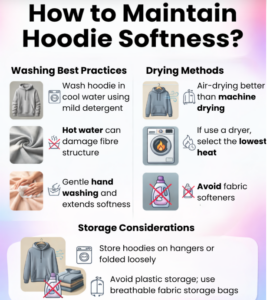
Purchasing the softest hoodie is only the first step. Proper care preserves softness through years of wear.
Washing Best Practices
Wash hoodies inside-out in cool water using mild detergent. This protects the fabric surface from abrasion and prevents colour fading. Cool water is essential for natural fibres; hot water can strip protective oils and damage fibre structure. Avoid overdrying, as excessive agitation damages fabric and reduces softness.
For heavily brushed fabrics like brushed cotton fleece, gentle hand washing occasionally extends softness longevity considerably.
Drying Methods
Air-drying preserves softness better than machine drying. If you use a dryer, select the lowest heat setting and remove garments immediately when drying finishes to avoid excessive heat exposure. The extended heat of normal dryer cycles degrades softness over time.
Avoid fabric softeners with most hoodies; they create a residue that actually reduces softness perception while damaging fibre structure. Natural fibres improve in softness with age as residual processing compounds rinse away, making fabric-softener counterproductive.
Storage Considerations
Store hoodies on hangers or folded loosely to prevent creasing that compromises softness. Tight folding can create permanent wrinkles that catch light, making hoodies appear less soft. Avoid plastic storage; breathable fabric storage bags allow air circulation while protecting from dust.
Why does my new hoodie feel stiff initially?
Processing chemicals used during manufacturing leave a temporary stiffness. Washing in cool water with mild detergent removes these chemicals, revealing the true softness underneath. Most hoodies feel noticeably softer after the first wash.
Can I make a stiff hoodie softer?
You can partially make a stiff hoodie softer. Repeated gentle washing gradually improves stiffness as processing chemicals rinse away. Adding white vinegar (one cup per load) helps remove chemical residues. Fabric conditioning treatments can temporarily improve feel but don’t address underlying stiffness.
Fabric Innovations in 2026 for Smart and Perfect Hoodies
The hoodie material landscape has expanded dramatically in 2026 with innovations addressing both softness and functionality simultaneously.
Smart Fabrics with Temperature Regulation
The most significant innovation involves embedding microencapsulated phase-change materials into traditional soft fabrics. These microcapsules absorb excess heat when your body overheats, then release that heat when you cool down. The result maintains softness while adapting to temperature changes, perfect for hoodies worn across varying conditions.
Smart brushed cotton fleece incorporating these technologies maintains all the luxury softness people love while adding temperature management. Similarly, smart tri-blends combine ultra-soft rayon content with adaptive technology.
Flawless Construction Technology
2026 has brought seamless hoodie construction to mainstream production. Unlike traditional hoodies, where side seams create irritating ridges, seamless hoodies use circular knitting machines to create continuous fabric. This eliminates irritation while maintaining all the softness of traditional construction.
Seamless tri-blend and organic cotton hoodies have become particularly popular because removing seams creates an almost second-skin experience combined with maximum softness.
Antimicrobial Soft Fabrics
Advanced nano-coatings provide antimicrobial protection without compromising softness. These invisible treatments inhibit odour-causing bacteria naturally, meaning soft hoodies require less frequent washing, reducing both care burden and environmental impact.
⚠ Disclaimer:
This article is contributed by an independent author and is for informational purposes only. We do not guarantee its accuracy or completeness. The views expressed are those of the author and do not reflect this website. Readers should verify information independently and consult professionals where necessary.