Flat Roofing: A Complete Guide for Homeowners

Flat roofing has become a popular choice for both residential and commercial buildings because of its modern look, affordability, and practical benefits. Many property owners prefer flat roofs due to their simple design, easy maintenance, and efficient use of space. If you are planning to install or replace a roof, understanding flat roofing can help you make the right decision. This guide explains what flat roofing is, its benefits, materials, maintenance tips, and why it is a reliable option for many buildings.
What is Flat Roofing?
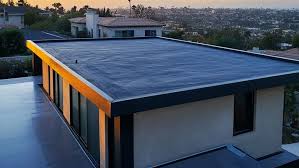
Flat roofing refers to a roofing system that has a very low slope compared to traditional pitched roofs. Although it is called “flat,” it usually has a slight slope that allows water to drain properly. These roofs are commonly used on commercial buildings but are also becoming popular for modern homes.
Flat roofs are designed to be durable, weather-resistant, and functional. Because of their structure, they can be used for additional purposes such as rooftop gardens, solar panel installation, or outdoor living spaces.
Benefits of Flat Roofing
Flat roofing offers several advantages that make it an attractive option for property owners.
Cost-Effective Installation
One of the main reasons people choose flat roofing is the lower installation cost. Flat roofs require fewer materials and less labor compared to steep or pitched roofs. This makes them a budget-friendly option for many homeowners and businesses.
Easy Maintenance and Repairs
Maintenance is easier on flat roofs because they are accessible and safer to walk on. Inspections, cleaning, and repairs can be done more quickly compared to steep roofs. This helps reduce long-term maintenance costs.
Additional Usable Space
Flat roofs provide extra space that can be used for multiple purposes. Many people use them for rooftop patios, solar panels, HVAC systems, or even green roofs. This makes flat roofing both practical and functional.
Modern Architectural Design
Flat roofing is commonly used in modern architecture. It gives buildings a clean, contemporary appearance and works well with minimalist designs.
Common Flat Roofing Materials
Several materials are used in flat roofing systems. Each material offers different levels of durability, cost, and protection.
EPDM Rubber Roofing
EPDM (Ethylene Propylene Diene Monomer) is a durable rubber roofing material. It is widely used because it is weather-resistant, flexible, and long-lasting. EPDM roofs can last up to 30 years with proper maintenance.
TPO Roofing
TPO (Thermoplastic Polyolefin) is another popular flat roofing material. It is known for its energy efficiency because it reflects sunlight and reduces heat absorption. This helps keep buildings cooler and can lower energy bills.
PVC Roofing
PVC (Polyvinyl Chloride) roofing is highly durable and resistant to chemicals, fire, and strong weather conditions. It is often used for commercial buildings because of its strength and reliability.
Modified Bitumen
Modified bitumen roofing is made from asphalt-based materials and reinforced with fiberglass or polyester. It provides strong waterproof protection and performs well in extreme weather conditions.
Flat Roof Maintenance Tips
Proper maintenance is important to extend the lifespan of a flat roof. Regular inspections and simple maintenance steps can prevent costly repairs.
Keep the Roof Clean
Debris such as leaves, dirt, and branches can collect on flat roofs. Cleaning the roof regularly helps prevent water pooling and drainage issues.
Check for Water Ponding
Standing water is one of the biggest concerns for flat roofs. Make sure the drainage system is working properly so water can flow off the roof easily.
Inspect the Roof Regularly
Inspect the roof at least twice a year and after severe storms. Look for cracks, blisters, or damaged areas that may need repair.
Maintain Proper Drainage
Ensure that gutters, drains, and downspouts are clear and functioning correctly. Good drainage prevents water damage and extends the roof’s lifespan.
When Should You Replace a Flat Roof?
Even durable flat roofs eventually need replacement. Some common signs that indicate replacement may be necessary include:
- Frequent leaks
- Visible cracks or tears in the roofing membrane
- Large areas of water ponding
- Increased energy bills due to poor insulation
- Aging roofing materials
If you notice these issues, it may be time to consult a professional roofing contractor to evaluate your roof.
Is Flat Roofing Right for Your Property?
Flat roofing is an excellent option for many buildings, especially modern homes and commercial properties. It offers affordability, functionality, and a sleek design. However, proper installation and regular maintenance are essential to ensure long-term performance.
Choosing high-quality materials and hiring experienced roofing professionals can make a significant difference in the durability and reliability of your flat roof.
Conclusion
Flat roofing is a practical and cost-effective roofing solution that continues to grow in popularity. Its modern appearance, easy maintenance, and versatile use of space make it an attractive option for homeowners and businesses alike. By understanding the different flat roofing materials, benefits, and maintenance practices, you can ensure your roof remains durable and efficient for many years. Proper care and regular inspections will help protect your investment and keep your property safe from weather damage.
⚠ Disclaimer: This article has been reviewed and updated to reflect current industry trends, technology developments, and logistics best practices which is contributed by an independent author. We do not guarantee its accuracy or completeness. The views expressed are those of the author and do not reflect this website. Readers should verify information independently and consult professionals where necessary.